从一节火车到一场复兴:倪柝声与齐鲁大学的属灵转折(1932)
From a Train Car to a Revival: Watchman Nee and the Spiritual Turning Point at Cheeloo University (1932)
引言:1932年的春天,一节驶向泰山的火车,载着八十多名学生离开济南前往泰山。然而,这并不仅是一段普通的旅程,而是一次属灵转变的起点。在齐鲁大学这所著名教会大学中,一场看似平静却影响深远的属灵运动由此展开,悄然改变了一代青年人的生命方向,也成为山东地方教会兴起的重要开端。
Introduction: In the spring of 1932, a train car heading to Mount Tai carried more than eighty students leaving Jinan for the mountain. However, this was not merely an ordinary journey, but the starting point of a spiritual transformation. At Cheeloo University, a renowned Christian university, a seemingly quiet yet profoundly influential spiritual movement unfolded. It quietly altered the life direction of a generation of young people and became a crucial beginning for the rise of the local churches in Shandong.
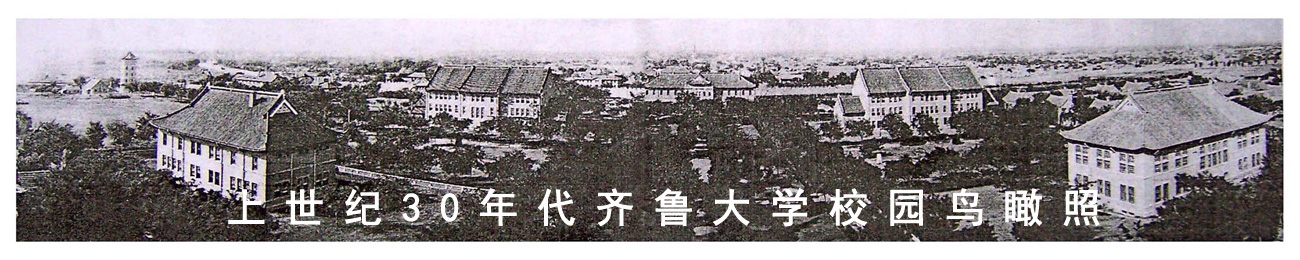
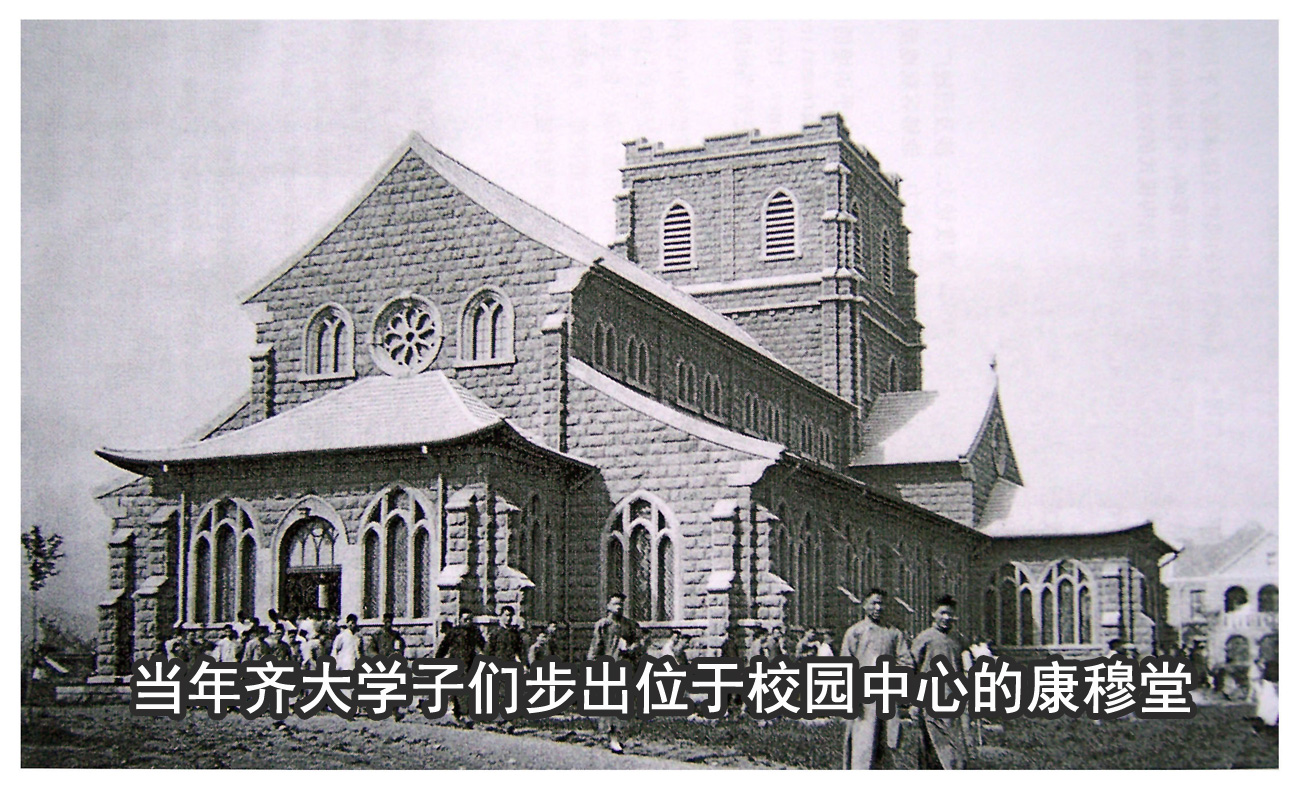
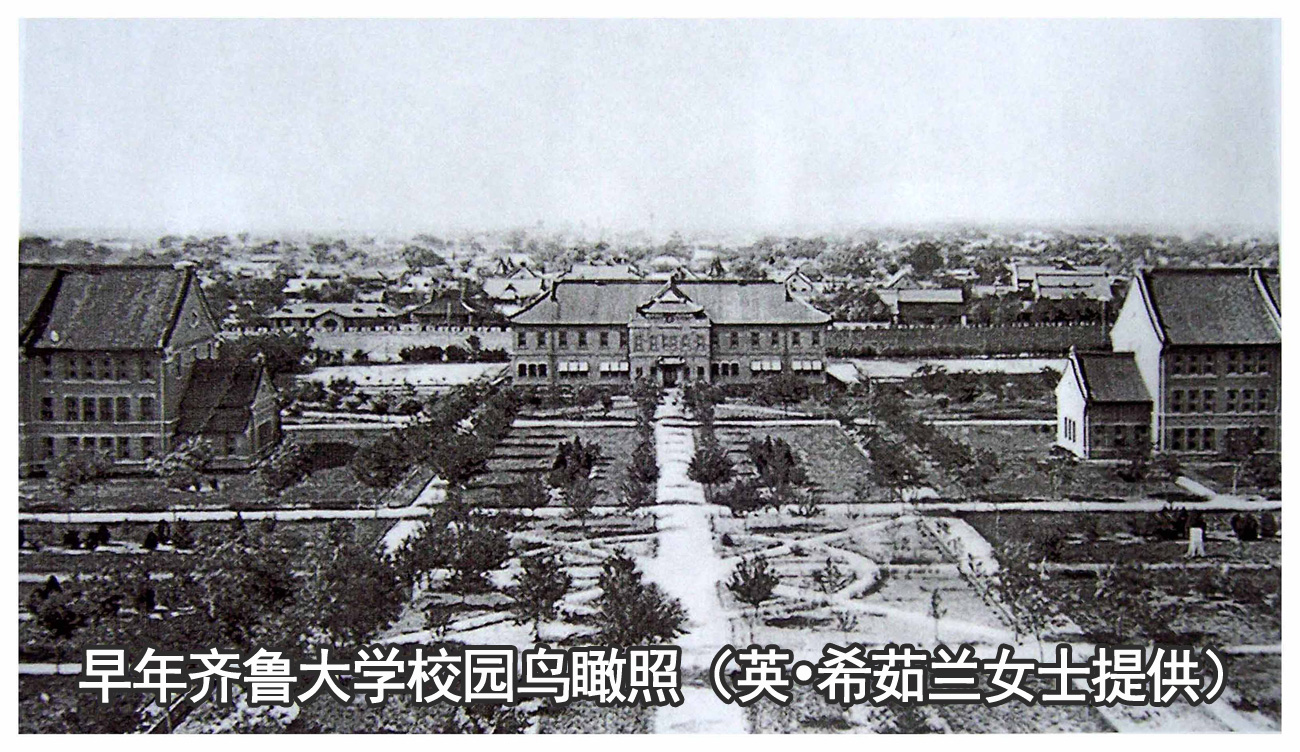
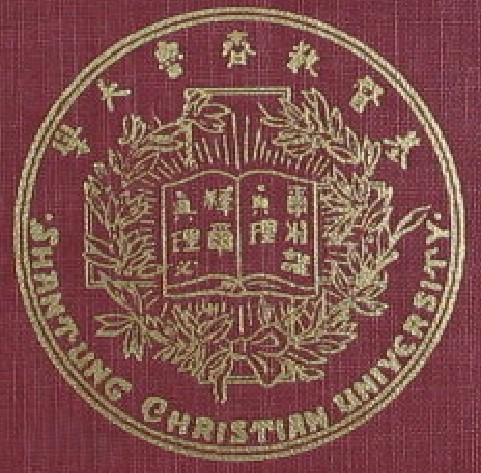
齐鲁大学(Cheeloo University),创立于1864年(清同治三年),由美北长老会与英国浸礼会等差会联合兴办,是中国近代最早的教会大学之一。经过数十年发展,齐鲁大学逐渐成为一所综合性高等学府,尤以医学院最负盛名,民间有“北协和、南湘雅、东齐鲁、西华西”之称。其鼎盛时期,老舍、钱穆、顾颉刚等学者先后执教,与燕京大学并称“南齐北燕”,在华北学界占有重要地位。然而,正是在这样一所制度完善、学术昌盛的教会大学中,一种更深层的属灵张力正在酝酿:信仰究竟是制度的附属,还是生命的实际?
Cheeloo University, founded in 1864 (the third year of Emperor Tongzhi’s reign in the Qing Dynasty) and jointly established by the American Presbyterian Mission (North) and the English Baptist Missionary Society, was one of the earliest Christian universities in modern China. After decades of development, Cheeloo University gradually became a comprehensive higher education institution, most renowned for its medical school. There was a popular saying at the time: “Peking Union Medical College in the North, Xiangya in the South, Cheeloo in the East, and West China in the West.” During its peak, distinguished scholars such as Lao She, Qian Mu, and Gu Jiegang taught there successively. It was mentioned alongside Yenching University as “Cheeloo in the South and Yenching in the North,” holding an important position in the academic circles of North China. However, it was precisely in such a Christian university with a perfect institution and flourishing academia that a deeper spiritual tension was brewing: Is faith merely an appendage to an institution, or is it the reality of life?
单覃恩(又名单惠泉,Thornton Stearns,1886年1月17日-1967年7月5日),他是美.国在华传教士,后加入地.方.教.会运动。1886年1月17日,单覃恩出生于美.国新泽西州,由美北长老会派往中国担任医疗传教士,在山东济南的齐鲁大学医科教外科,后来又作了齐鲁大学的外科主任。1922年与Carol Emma Taber结婚。
Thornton Stearns (also known by his Chinese name Shan Huiquan, January 17, 1886 – July 5, 1967) was an American missionary in China who later joined the local church movement. Born on January 17, 1886, in New Jersey, USA, Stearns was sent by the American Presbyterian Mission (North) to China as a medical missionary. He taught surgery at the medical school of Cheeloo University in Jinan, Shandong, and later became the head of its surgery department. In 1922, he married Carol Emma Taber.
1923年,单覃恩2岁的儿子大卫意外身亡,这件事刺激他思考人生的意义,一位孟教士向他讲道,于是他获得悔改重生的经历。
In 1923, the accidental death of his two-year-old son, David, provoked Stearns to ponder the meaning of life. A missionary named Meng preached to him, leading him to an experience of repentance and regeneration.
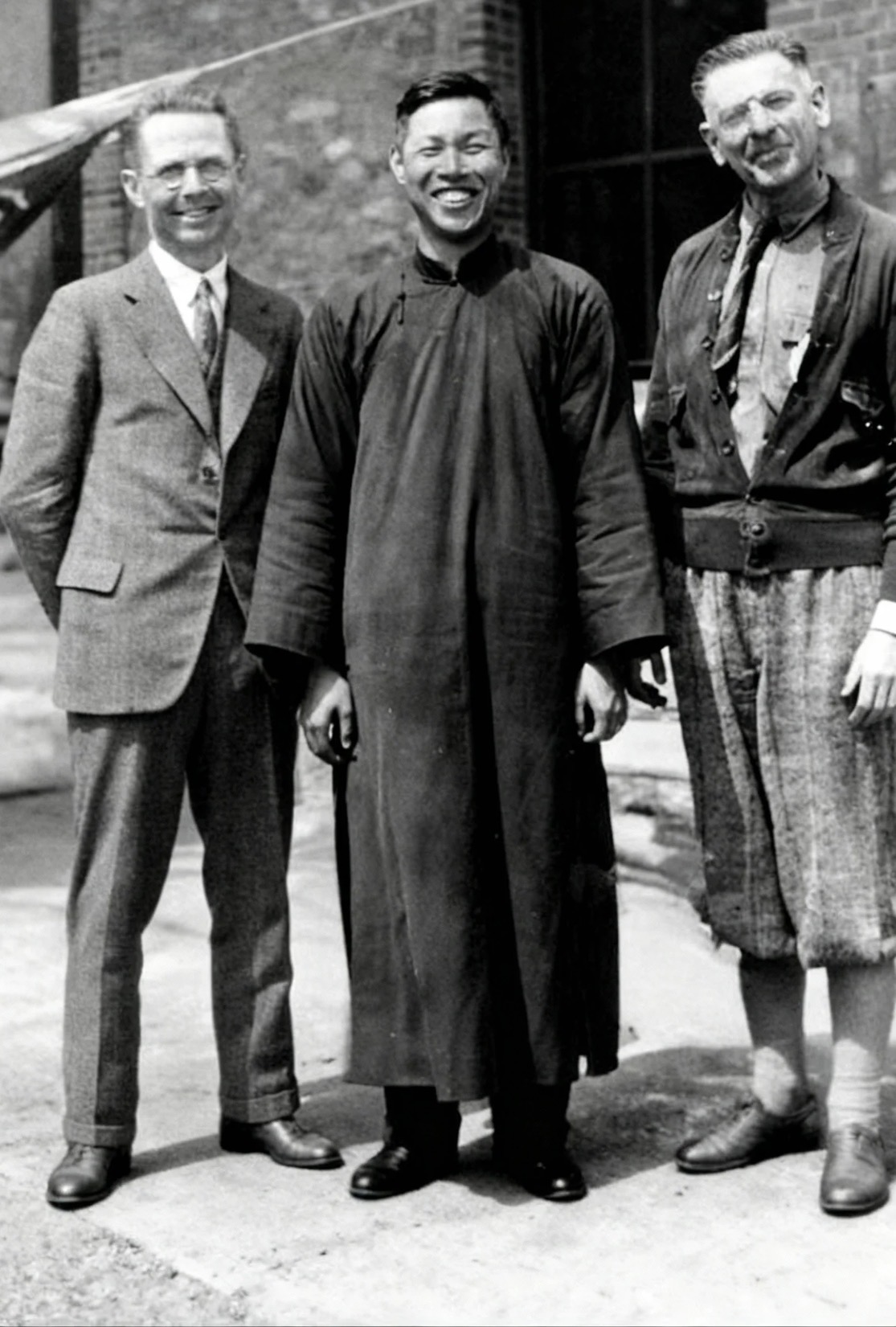
单覃恩虽然是美北长老会派往中国的传教士,却与多个中国本土基督徒运动有关。1926年,单覃恩资助敬奠瀛30元钱,敬用这笔钱从阿尼色弗之家孤贫院买了三张旧织布机,增设蚕桑学道房,开始男耕女织的集体生活,即“耶稣家庭”的前身。1931年9月1日,单覃恩前去安抚刚失去爱子的山东省政府官员尹任先,使他从此成为一名热心的基督徒。1931年12月,宋尚节在济南召开3天奋兴会,即住在单覃恩家中,并在他家引导四五十位齐鲁大学的学生成为基督徒。单覃恩夫妇因此受到激励,准备在此年春天组织退修会,他原计划邀请著名中国传道人王载前来讲道,但王载在爪哇有事,无法前来,于是单覃恩接受一位来自福州学生的建议,改为邀请倪柝声。1932年3月底,倪柝声应邀来到济南。
Although Thornton Stearns was a missionary sent by the Northern Presbyterians, he became associated with several indigenous Chinese Christian movements. In 1926, Stearns financially supported Jing Dianying with 30 yuan. Jing used this money to buy three old looms from the Onesiphorus Orphanage and set up a sericulture study room, initiating a collective life of men farming and women weaving, which became the predecessor of the “Jesus Family.” On September 1, 1931, Stearns went to comfort Yin Renxian, a Shandong provincial government official who had just lost his beloved son, leading him to become a zealous Christian from then on. In December 1931, John Sung held a three-day revival meeting in Jinan. He stayed at Stearns’s home and, within his house, guided forty to fifty Cheeloo University students to become Christians. Encouraged by this, Stearns and his wife prepared to organize a retreat in the spring of the following year. He originally planned to invite the famous Chinese preacher Leland Wang to speak, but Leland Wang was engaged in Java and could not attend. Therefore, accepting the suggestion of a student from Fuzhou, Stearns invited Watchman Nee instead. In late March 1932, Watchman Nee came to Jinan at his invitation.
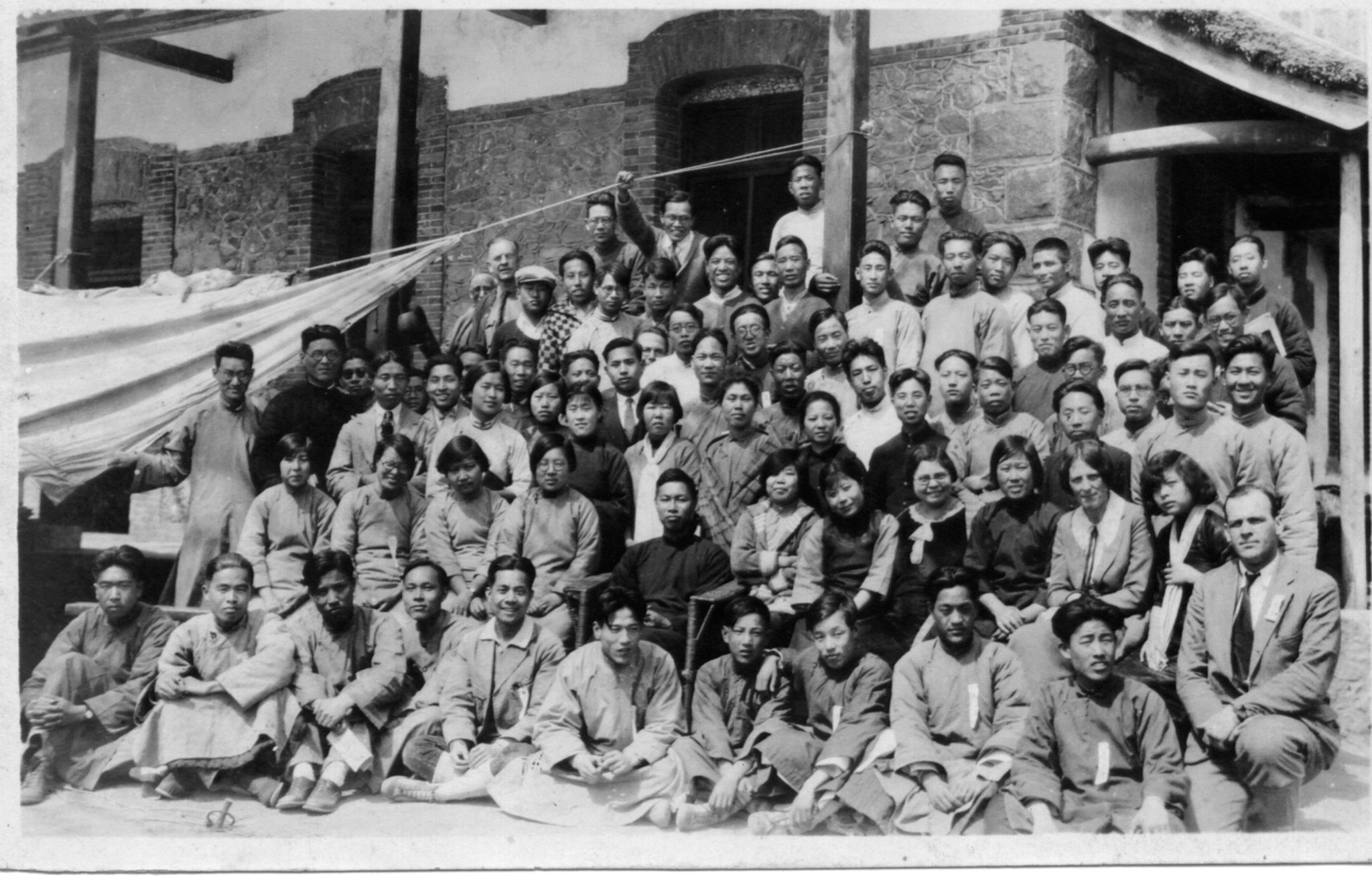
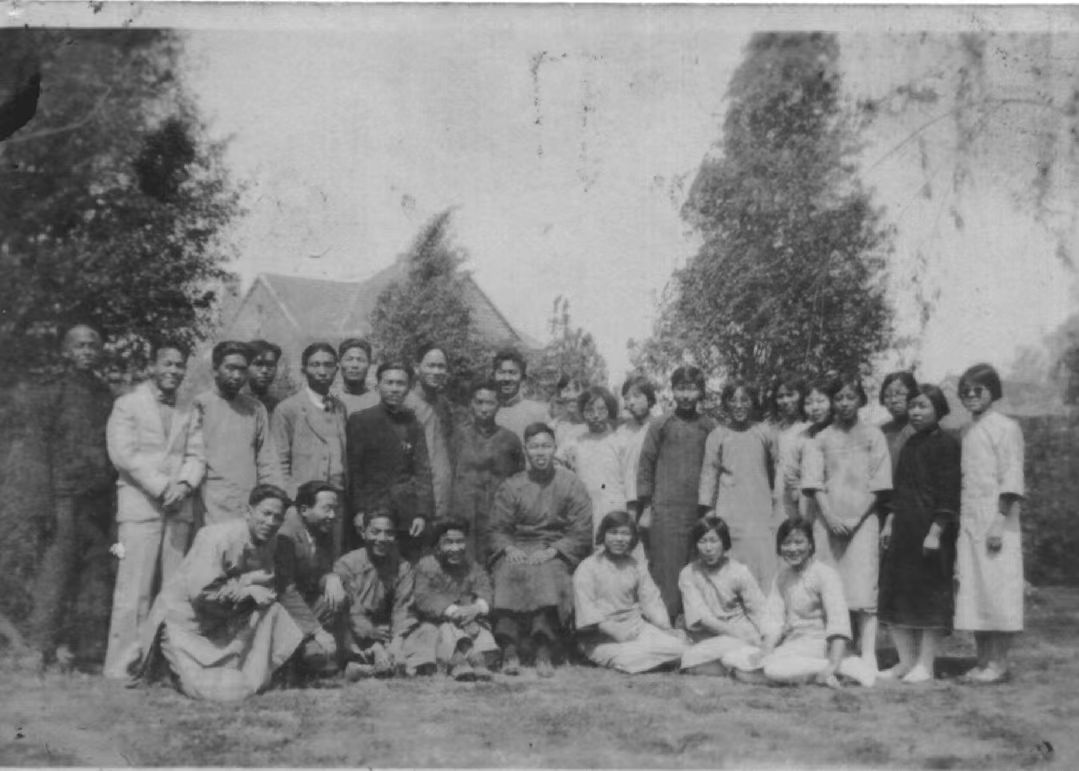
倪柝声抵达济南时,正值齐鲁大学春假。单覃恩作出一个颇为特别的安排:他租下一节火车车厢,带领八十多名学生前往泰山半山的一处公会房舍,举行三天特会。在那三天中,没有复杂的组织形式,也没有刻意的外在营造,信息的中心只是十字架与基督的生命。然而,正是在这样简朴的环境中,一场真实的属灵触动发生了。许多学生在聚会中受到感动,开始认真面对自己的信仰与生命。特会结束后,倪柝声又在齐鲁大学医学院礼堂连续讲道十一天,使更多学生接受福音。这场复兴虽不以轰动见称,却在日后显出深远影响,成为济南教会兴起的重要起点。
When Watchman Nee arrived in Jinan, it was exactly during Cheeloo University’s spring break. Thornton Stearns made a rather special arrangement: he rented a train car and led over eighty students to a denominational property halfway up Mount Tai to hold a three-day conference. During those three days, there were no complicated organizational forms or deliberate outward build-ups; the center of the messages was simply the cross and the life of Christ. However, it was exactly in such a simple environment that a genuine spiritual touch occurred. Many students were deeply moved during the meetings and began to seriously face their own faith and life. After the conference ended, Watchman Nee preached for eleven consecutive days at the auditorium of the Cheeloo University medical school, leading even more students to receive the gospel. Although this revival was not known for being sensational, it manifested a profound influence in the days to come, becoming an important starting point for the rise of the church in Jinan.
这次经历不仅改变了学生,也深刻影响了单覃恩本人。在与倪柝声的交通中,他逐渐看见一个更根本的问题:若基督是教会唯一的主,信徒是否仍需受制于宗派体系?这一认识,使他开始重新思考自己所属的长老会背景。最终,他选择脱离原有差会体系,转而认同“单单归主名聚会”的原则。此后,他曾前往上海,与地方.教.会交通,回到济南后,便自行组织查经聚会。至1933年前后,济南出现了以“归主名”为原则的聚会,这标志着地.方.教.会在山东的初步形成。
This experience not only changed the students but also profoundly impacted Thornton Stearns himself. In his fellowship with Watchman Nee, he gradually saw a more fundamental issue: If Christ is the unique Lord of the church, do believers still need to be subject to a denominational system? This realization caused him to begin reconsidering his own Presbyterian background. Eventually, he chose to separate from his original mission board system and instead identified with the principle of “gathering solely in the Lord’s name.” Afterward, he traveled to Shanghai to have fellowship with the local church. Upon returning to Jinan, he organized Bible study meetings himself. Around 1933, meetings based on the principle of “gathering in the Lord’s name” emerged in Jinan, marking the initial formation of the local church in Shandong.
单覃恩并不以讲道见长,但他在福音工作上的方式却极具感染力。他常常邀请医学院的学生到家中用餐,在轻松的环境中与他们谈论信仰。据记载,前后约有近百位学生因此归信基督。这种以生活接触为中心的见证,使福音不再只是讲台上的信息,而成为可被经历的真实生命。
Thornton Stearns was not known for his preaching, but his method in the gospel work was highly infectious. He frequently invited medical students to his home for meals, talking with them about faith in a relaxed environment. According to records, nearly a hundred students converted to Christ as a result of this. This testimony, centered on contact in daily life, made the gospel no longer just a message from the pulpit, but a genuine life that could be experienced.
1934年前后,倪柝声因婚姻问题经历一段属灵低谷。1935年夏,在赴欧洲访问史百克之前,应单覃恩之邀前往烟台休养。在那里,他与宣教士巴若兰(E. Fischbacher)有深入交通。在安静与祷告中,他的属灵生命得着恢复,并逐渐进入更深的经历。随后,他所释放的“基督作得胜生命”的信息,迅速影响中国各.地教会。从某种意义上说,1932年的济南复兴触及的是教会的外在立场,而1935年的烟台经历,则进一步引向内在生命的实际。
Around 1934, Watchman Nee went through a spiritual low point due to marriage issues. In the summer of 1935, before traveling to Europe to visit T. Austin-Sparks, he went to Yantai to recuperate at the invitation of Thornton Stearns. There, he had deep fellowship with the missionary E. Fischbacher. In quietness and prayer, his spiritual life was recovered, and he gradually entered into deeper experiences. Subsequently, the messages he released regarding “Christ as the overcoming life” quickly influenced the churches throughout China. In a sense, the Jinan revival in 1932 touched upon the outward ground of the church, while the Yantai experience in 1935 led further into the reality of the inner life.
此后数年间,单覃恩继续在中国与美.国之间往返服事。1940年前后,他在上海红十字会医院任职,并被设立为地.方.教.会的长老之一。不久,随着太平洋战争爆发,在华西方人士被集中关押,单覃恩亦在其中。战后,他返回美.国,在纽约一带继续参与聚会。与此同时,一批曾在齐鲁大学得救的中国学生,也陆续赴美发展,并加入当地聚会。这一属灵脉络,因而由中国延伸至海外。然而,在不同文化与环境中,关于教会立场与实践的理解,也逐渐显出新的张力。
In the following years, Thornton Stearns continued to travel and serve between China and the United States. Around 1940, he worked at the Red Cross Hospital in Shanghai and was established as one of the elders in the local church. Soon after, following the outbreak of the Pacific War, Westerners in China were put into concentration camps, and Thornton Stearns was among them. After the war, he returned to the United States and continued to participate in the meetings in the New York area. At the same time, a group of Chinese students who had been saved at Cheeloo University successively went to the US to pursue their careers and joined the local meetings. This spiritual lineage thereby extended from China to overseas. However, in different cultures and environments, the understanding concerning the ground and practice of the church also gradually began to show new tensions.
回顾这一段历史,可以看到一个清晰的脉络:齐鲁大学提供了制度与知识的土壤,倪柝声带来了关于基督与教会的启示,而单覃恩则成为两者之间的承接者与实践者。这不仅是一段关于个人转变与校园复兴的记载,更是20世纪中国教会在宗派体制与属灵实际之间探索的一段缩影。在那节驶向泰山的火车车厢中,所发生的,并不仅仅是一场短暂的聚会,而是一种关于信仰本质的重新发现——人是否愿意让基督在教会与生命中,真正居首位。
Reviewing this period of history, a clear trajectory can be seen: Cheeloo University provided the soil of institution and knowledge, Watchman Nee brought the revelation concerning Christ and the church, and Thornton Stearns became the connector and practitioner between the two. This is not merely a record of personal transformation and campus revival, but also a microcosm of the exploration of the 20th-century Chinese church between the denominational system and spiritual reality. What happened in that train car heading to Mount Tai was not just a brief meeting, but a rediscovery of the essence of faith—whether man is willing to let Christ truly have the preeminence in the church and in life.